
The Confident Patient: Managing UC Treatment
The ConfidentPatient:A Doctor Discussion Guidefor UC Treatment Planning

The unpredictability of UC
Life with moderate to severe ulcerative colitis can feel like a constant battle, especially when your day-to-day plans get derailed at a moment’s notice. Juggling treatments, appointments, and the constant fight against fatigue is exhausting. Managing your health can start to feel like a full-time job.
The thing is, successful treatment really depends on your doctor and you communicating well. Being actively involved in your own care is the best way to figure out what step to take next.

Why tracking matters
While a UC flare can be unpredictable, tracking your symptoms can give you a sense of control. Recording your urgency, frequency, and pain helps your healthcare team see the bigger picture.
Notebooks, phone apps, or calendars can be useful tracking tools. Over time, your notes may uncover patterns such as potential food triggers or issues with water absorption. The more information you can bring, the better your doctor can tailor their approach to effectively manage your symptoms.
Take a symptom inventory
UC symptoms can range from mild to severe, and may change over time. Let’s see how you’ve been feeling lately.
In the past month, have you experienced any of the following symptoms?
☐ Increase in bowel movements
☐ Urgent need to have a bowel movement
☐ Blood, mucus, or pus in your stool
☐ Abdominal pain or cramping
☐ Weight loss or loss of appetite
☐ Waking up at night to have a bowel movement
☐ Tenesmus (feeling the need to pass stool but being unable to)
☐ Fever or chills
☐ Joint pain
☐ New skin rashes
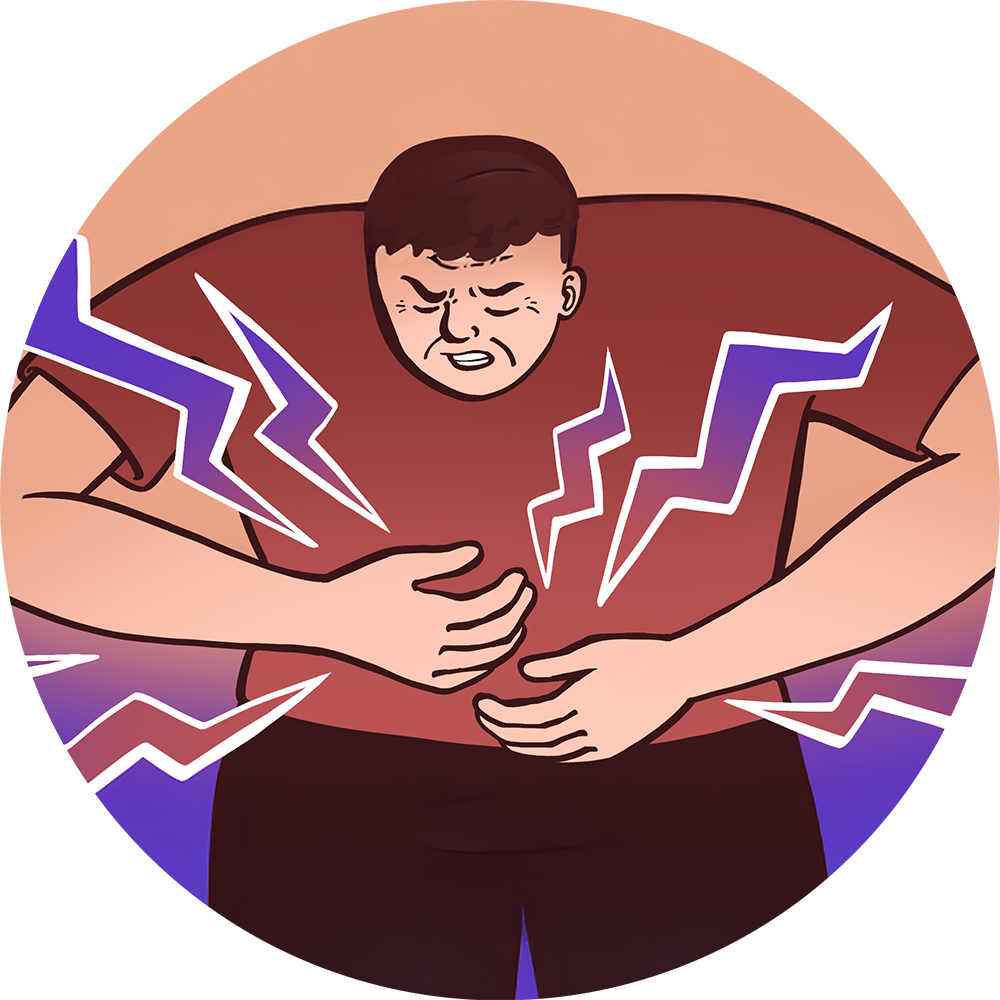
Talking about what's changed
What you share about your day-to-day experiences with UC provides valuable information to your doctor. If you've noticed a rise in frequency, urgency, or a change in your energy level, be sure to speak up!
- When you talk with your doctor, you might say:
- "I have to wake up [insert number] times per night due to urgency."
- "I would rate my abdominal pain and cramping at __ out of 10 on most days."
- “I’ve been more tired lately and it’s impacting my ability to ___.”